Designing Light in Period Homes: Improving Natural Light in Victorian Houses
-
Daniel is the Founder and Design Director of Rees Architects. He is an RIBA-qualified Architect with over 20 years of experience delivering high-quality design solutions for residential and commercial clients. Daniel has a passion for creating bespoke, sustainable, and functional spaces that enhance both lives and the environment.
RIBA Membership No. 12018397 · ARB Registration No. 080523H
Improving natural light in Victorian houses is one of the defining challenges of period home refurbishment in London. London’s Victorian and Edwardian homes often possess generous proportions, beautiful craftsmanship and enduring character, yet many struggle with dark central rooms, disconnected layouts and rear spaces that no longer support modern living.
At Rees Architects, light is considered from the outset. Not simply as brightness, but as something that shapes atmosphere, movement, function and how a home feels over time. The most successful refurbishments are rarely defined by how much space is added. They are defined by how intelligently the whole house is rethought.
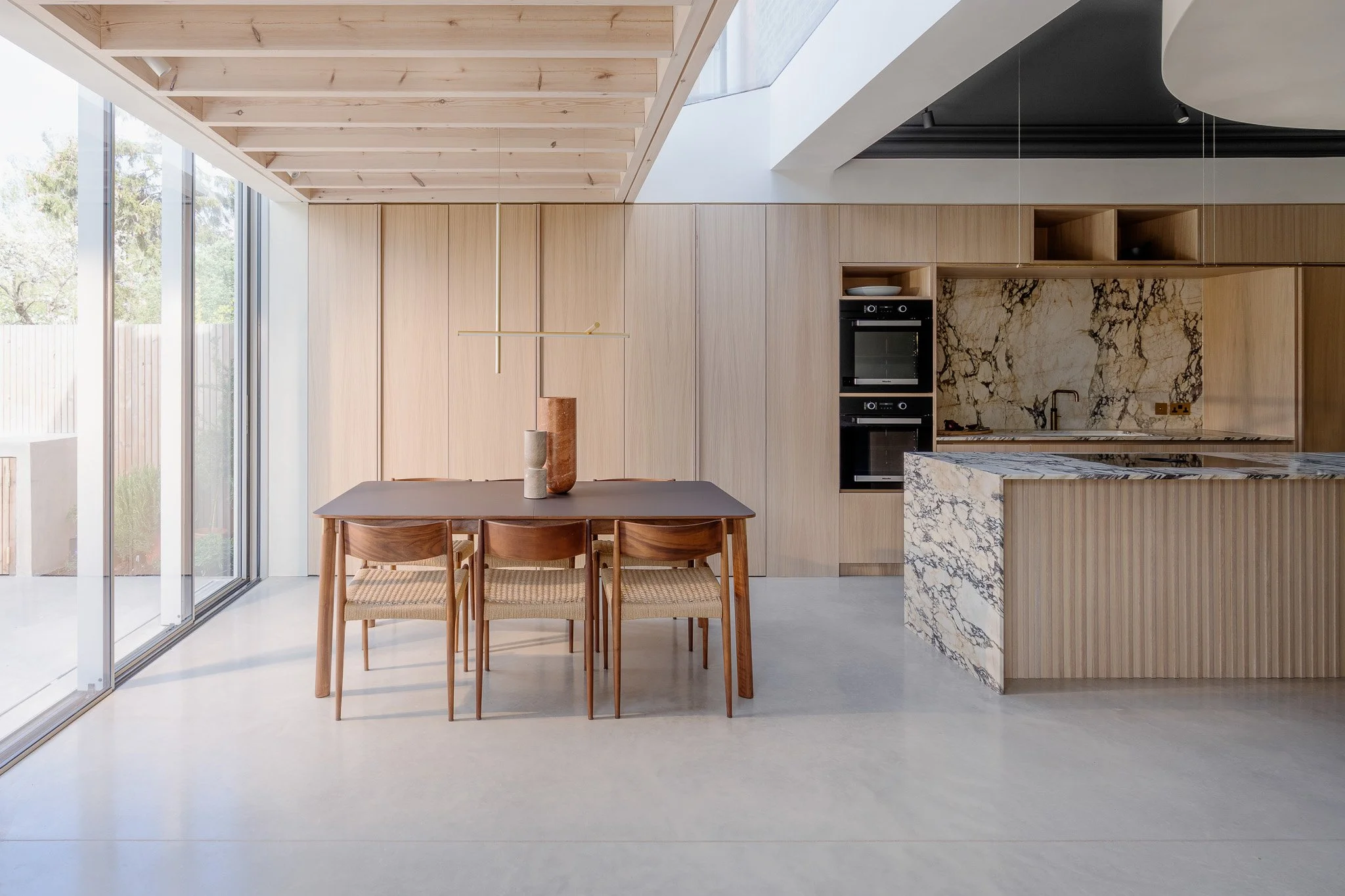
Rooflights can be used to introduce natural light into the deeper parts of a plan, where traditional layouts often limit daylight reach.
Why Victorian Houses Often Struggle with Natural Light
To understand how to improve light, it helps to understand how these houses were originally designed.
Victorian homes were often composed around bright principal rooms at the front. With large projecting bay windows collected daylight from multiple angles throughout the day, while tall ceilings allowed sunlight to penetrate deep into the plan. One of the most overlooked principles in residential design is simple:
It doesn’t matter how wide a window is; it matters how high a window is.
The height of a window head often has a greater influence on how deeply daylight reaches into a room than glazing area alone - a simple principle, but one that makes a profound difference in residential design.
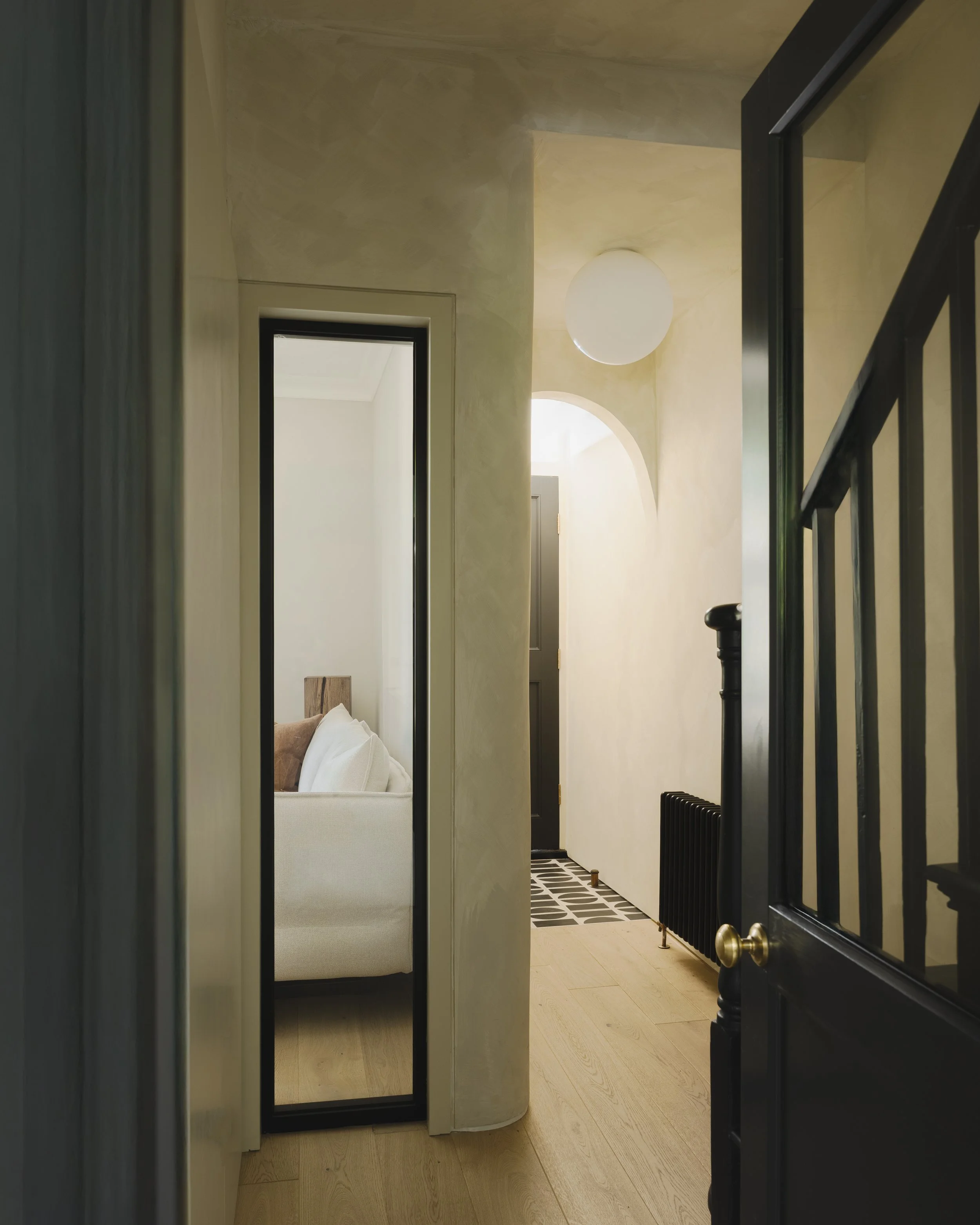
Central rooms and circulation spaces are often the darkest parts of Victorian houses.
At the rear, priorities were different. Kitchens were functional spaces, often lower in height, more enclosed, and designed simply to provide enough light to work rather than spaces to spend time in. Between front and back sat a series of divided rooms, stair halls and circulation spaces that frequently became the darkest parts of the house. The areas most often lacking daylight are:
central ground floor rooms
staircases and landings
rear kitchens in original layouts
middle rooms on upper floors
compartmentalised circulation spaces
These are often the spaces where thoughtful intervention has the greatest architectural impact.
Why Natural Light Matters in Residential Design
Natural light affects far more than appearance. It influences our circadian rhythm, our energy levels, our mood and our sense of wellbeing. Morning light energises. Evening light softens. The changing colour temperature of daylight throughout the day shapes how spaces are experienced and how we feel within them.
Light isn’t just about brightness - it affects how you feel, how energised you are, and how you live in the space.
That is why good architecture thinks carefully about where morning rituals happen, where family life gathers later in the day, and how the movement of sunlight can support those moments naturally. A home should feel aligned with how people actually live, and not simply illuminated.
Understanding Light Before Designing
Every house is individual, and light behaves differently in every building.
At Rees Architects, we begin by analysing orientation, sun path and surrounding context. Using 3D modelling and on-site observation, we study how daylight enters the building at different times of day and throughout the year, while also assessing how neighbouring buildings, trees and external obstructions influence available light.
Why Copying a Neighbour Rarely Works
Orientation changes everything. A design that works beautifully in one house may fail completely in another because the aspect, surrounding context and internal arrangement are different. Good design is always specific to its place.
At Rees Architects, we believe a successful refurbishment begins with understanding the existing house before deciding what should change.
While natural light is often one of the primary objectives of a refurbishment, it is rarely an isolated design challenge. Layout, storage, energy performance and planning considerations are often closely linked. Our guide to renovating a Victorian house in London explores how these wider issues can be addressed together within a broader refurbishment strategy.
Designing with Light, Not Just Adding It
One of the biggest misconceptions in residential architecture is that more glass automatically means better light (it rarely does). The real shift is to stop seeing an extension as something added on, and to rethink the house as a whole.
An extension should never feel like something attached to the back. It should fundamentally reshape how the entire home works: how spaces connect, how views unfold, how circulation improves, and how light moves from one part of the house to another.
It is rarely about adding additional glazing, and more about arranging the plan so light can travel.
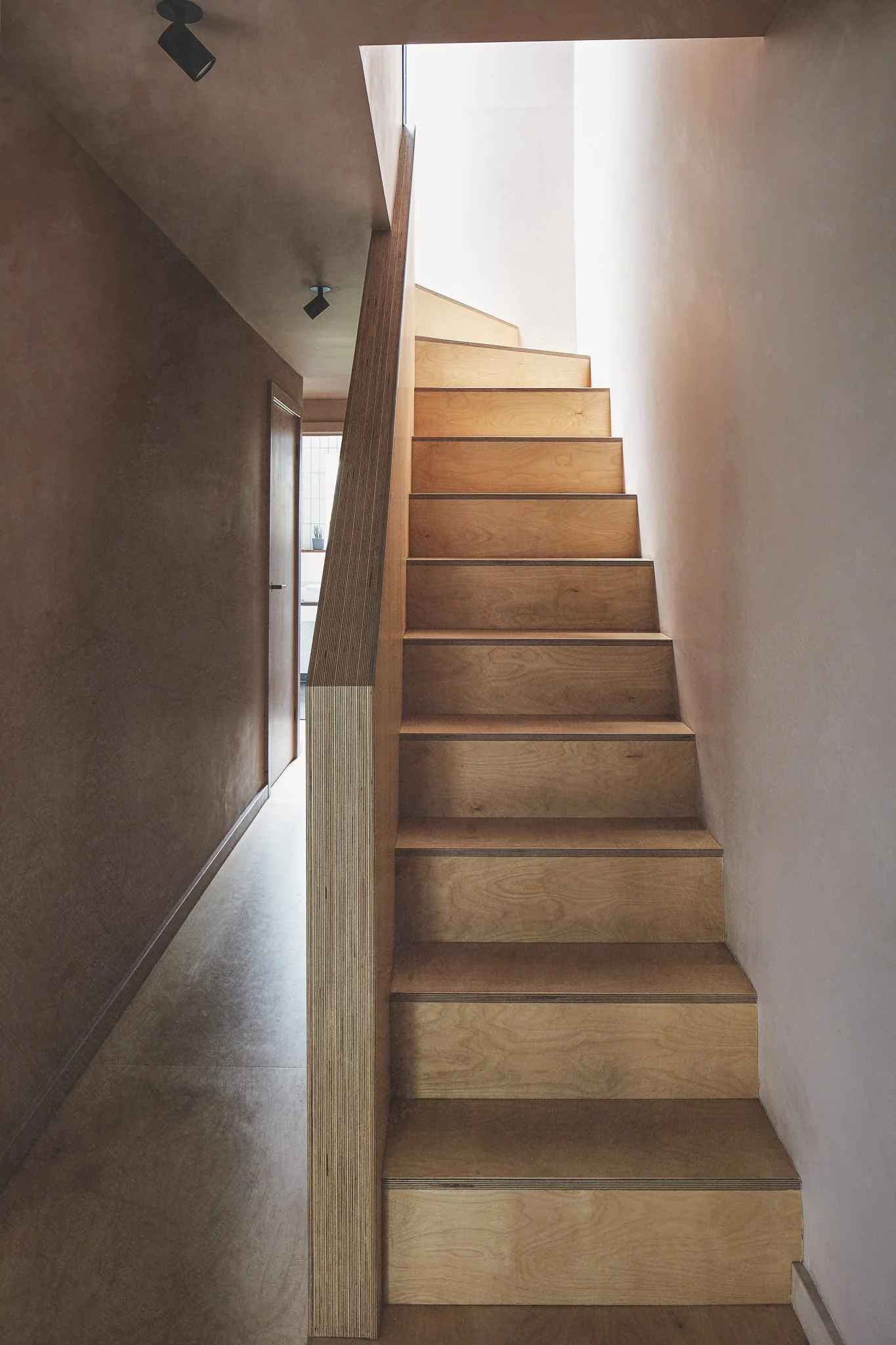
Rooflights can bring natural light deep into the centre of the plan.
Architectural Strategies for Improving Natural Light
There are several architectural moves that consistently make a meaningful difference when improving natural light in Victorian houses.
Connect Spaces Visually
Carefully opening views between rooms - through widened openings, glazed internal doors or framed internal windows - allows daylight to move deeper into the plan while maintaining character and moments of enclosure.
Bring Light in from Above
Rooflights are often transformative, particularly over staircases or central spaces. Even filtered daylight from above can dramatically alter how the centre of a house feels, bringing life into spaces that were once dark and purely functional.
Rebalance the Plan Around Light
One of the quietest but most effective design strategies is placing functional spaces (storage, utilities, cloakrooms and secondary circulation) in darker areas, freeing living spaces, kitchens and family rooms to occupy the best natural light.
Clients often describe the result not simply as brighter, but as calmer, more organised and more intuitive to live in.
Light, Movement and Spatial Experience
Architecture should have rhythm. Some spaces should feel bright and expansive, while others should feel quieter, darker and more intimate, so that moving into a brighter room becomes a moment of release.
I often compares architecture to music: a push and pull between different moments and moods. A darker corridor opening into a light-filled family room makes that room feel larger, a rooflight drawing you up a stair creates invitation, and framed window at the end of a passage creates pause.
Light is not only something we see, it is something we move through.
Materials, Colour and the Quality of Light
Light reveals material: stone, timber, lime plaster and brick all carry texture, depth and subtle tonal variation that changes throughout the day as sunlight moves across them.
Material and light are inseparable. Natural materials carry depth that you see it when light moves across them.
That relationship between daylight and authentic material is one of the foundations of timeless architecture. It is why restrained palettes often feel richer than louder ones, because they allow light, shadow and texture to become part of the architecture itself.
Furniture and decoration can evolve, and architecture should endure.
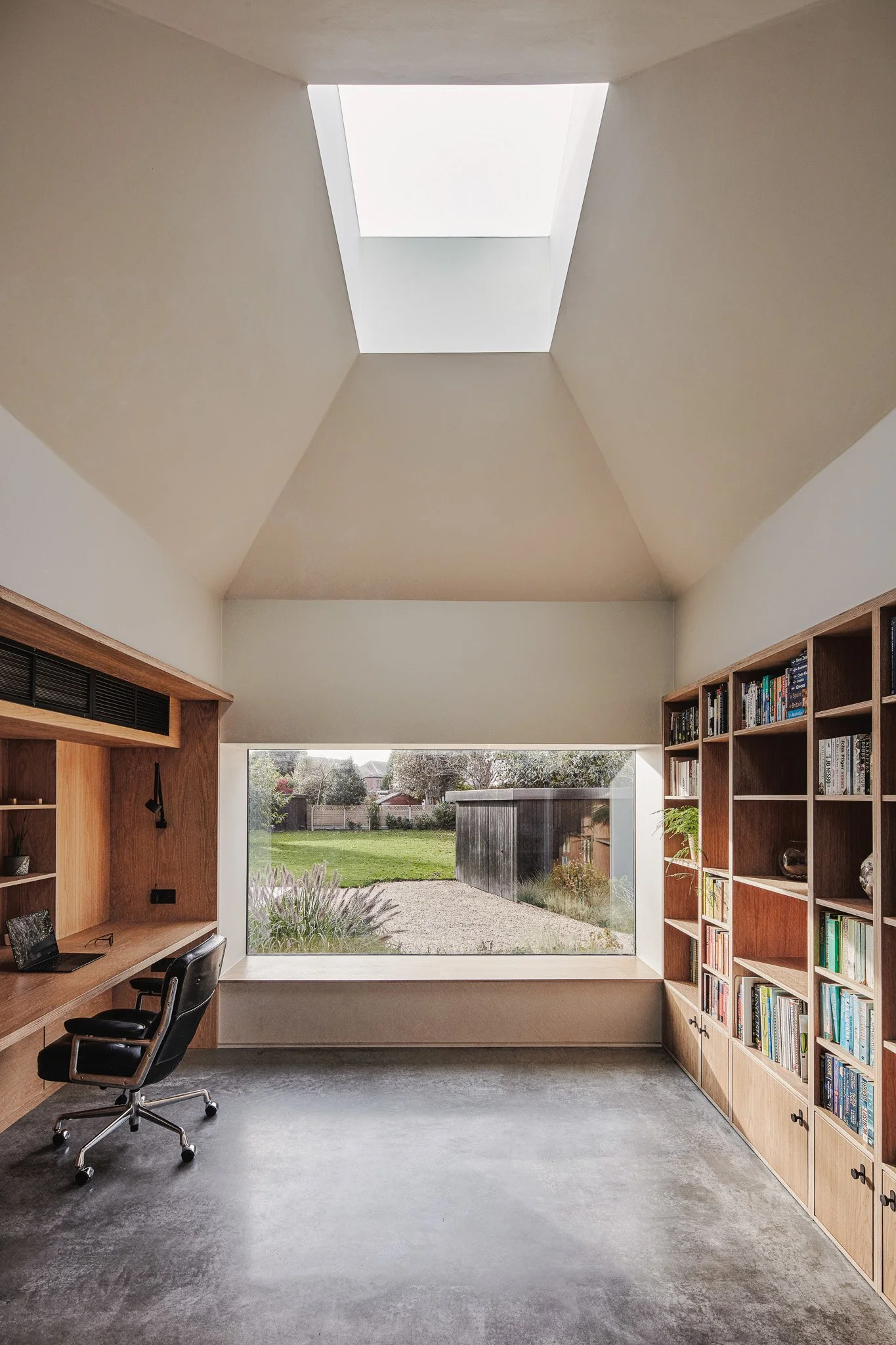
Light from above brings clarity to the space, revealing subtle variation in material and surface.
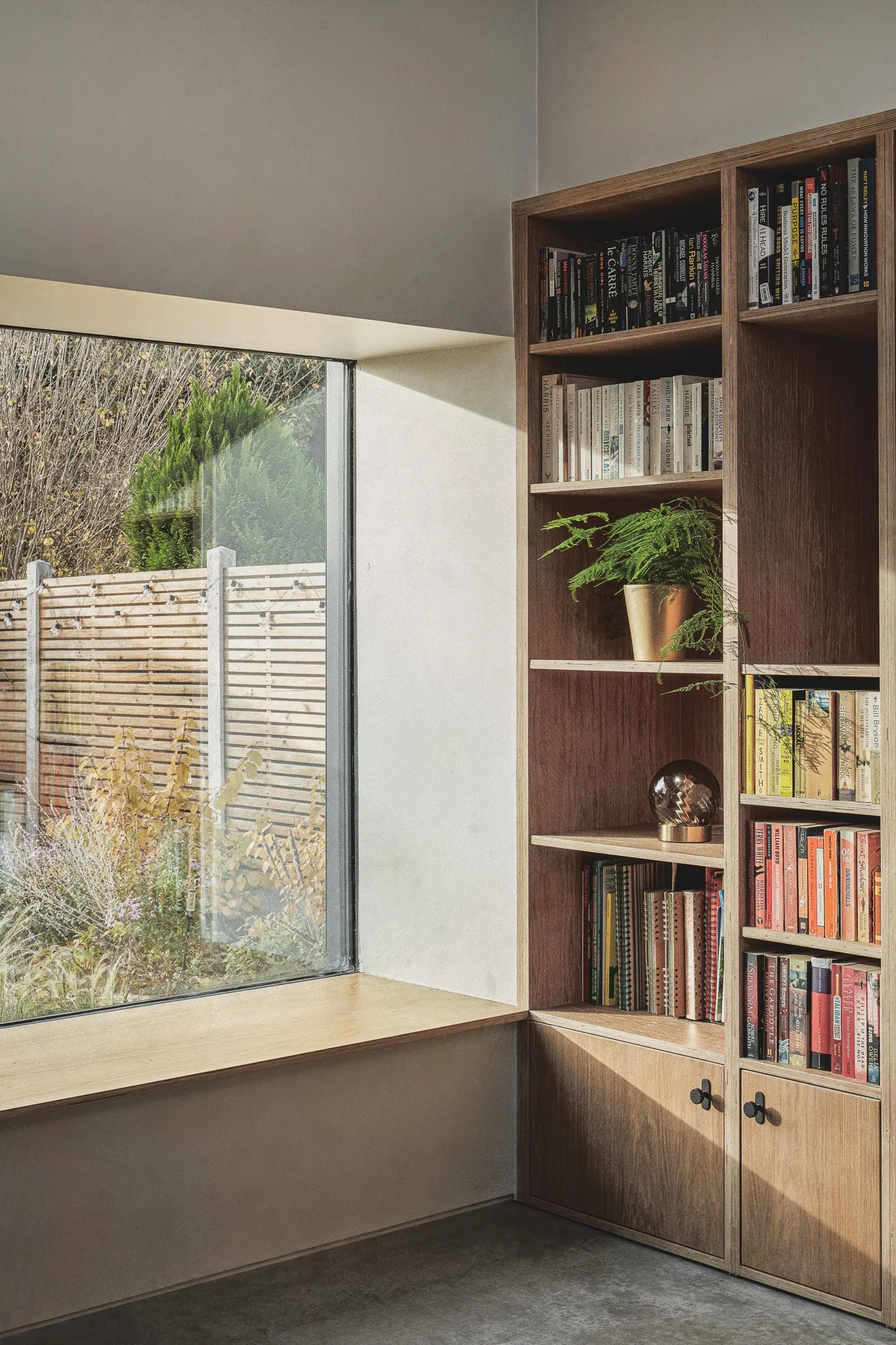
Natural materials reveal depth and texture when lit by daylight.
Balancing Light with Heritage and Character
Working with Victorian architecture often means working within constraints - particularly in listed buildings or conservation areas.
Not every wall can be opened, not every window can be changed, and not every room can be reconfigured. In those projects, improving light often comes through subtle architectural moves:
refined openings
carefully chosen finishes
lighter tonal palettes
improved window treatments
thoughtful interior layout adjustments
Constraint often produces the most thoughtful design response.
Lessons from London Projects
Across our work, improving light consistently has one of the greatest impacts on how clients experience their home.
At The Aldersbrook Enclave, carefully positioned corner glazing, internal glazed connections and rooflights allowed daylight to move through multiple layers of plan, bringing brightness and visual continuity into spaces that had previously felt disconnected.
At Wanstead Village, a rooflight over the stair transformed circulation into a bright vertical moment, while darker transition spaces heightened the sense of openness in the principal rooms beyond.
In both projects, success was not defined by how much glazing was added, but rather defined by how carefully light was considered.
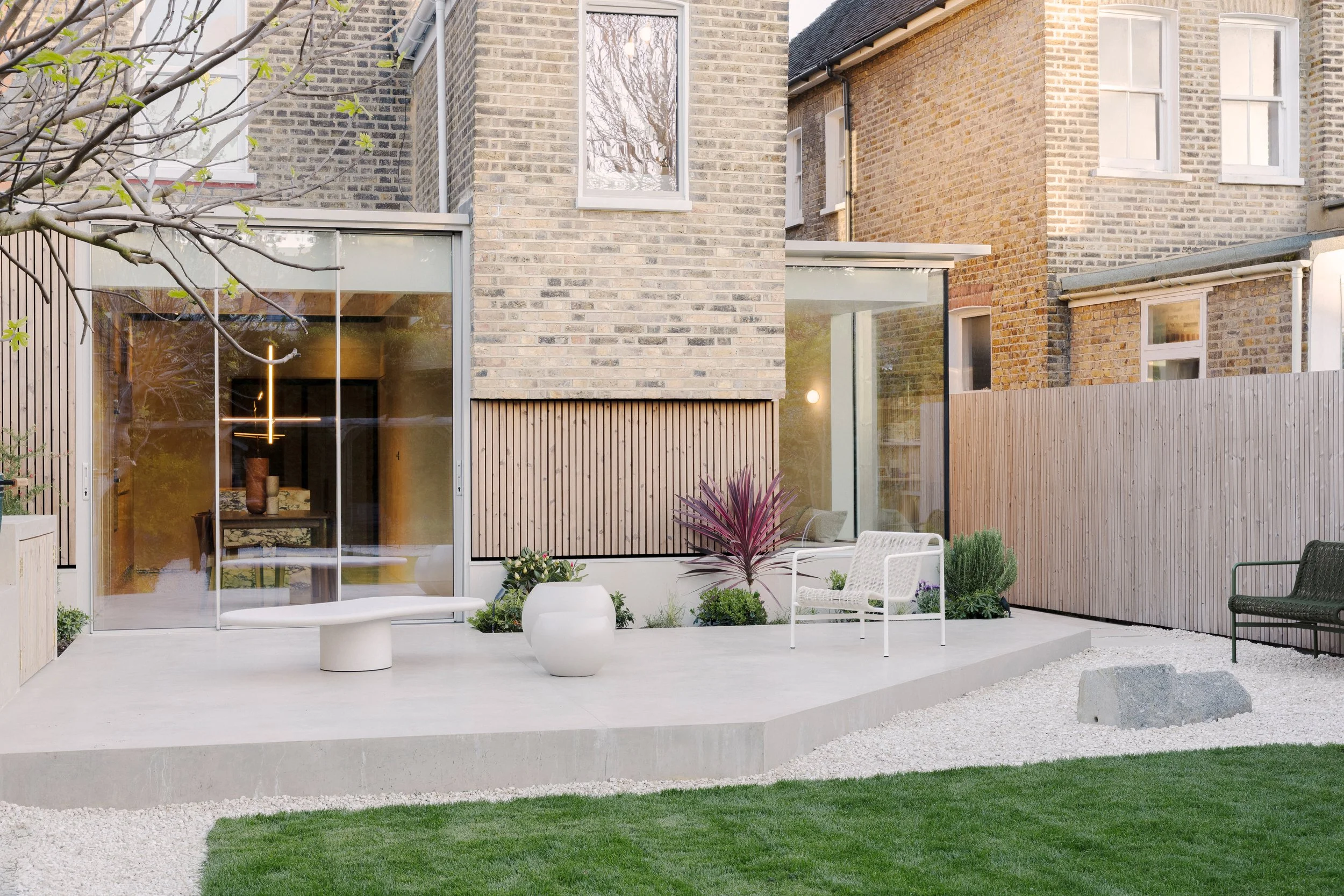
The rear extension at The Aldersbrook Enclave, where carefully positioned openings allow light to move through multiple spaces.
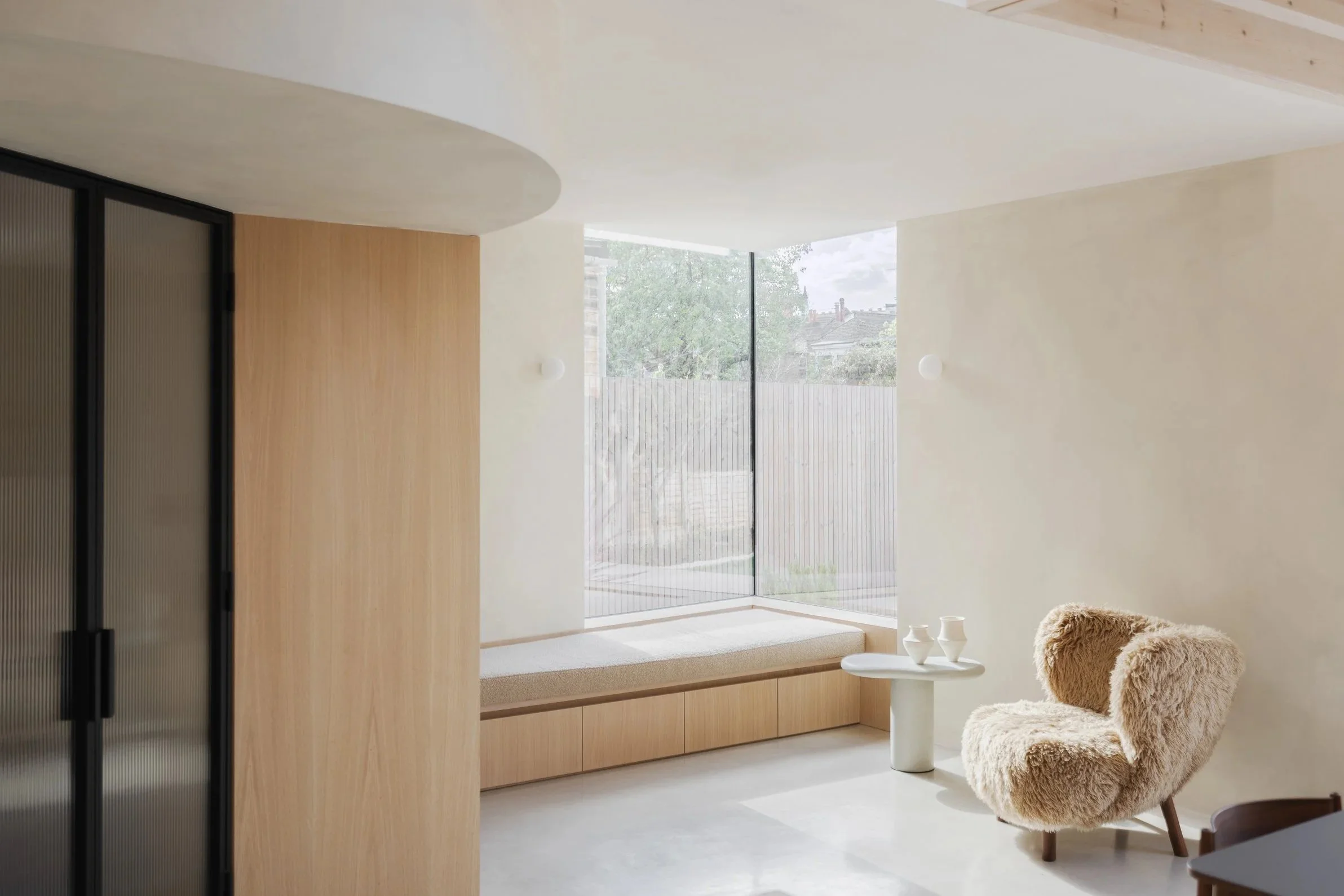
A view of the internal corner glazing at The Aldersbrook Enclave.
A Different Way of Thinking About Light
Improving natural light in Victorian houses is not simply about making spaces brighter. It is about understanding orientation, movement, atmosphere, material and how a home is actually lived in. It is about designing the whole house as one coherent experience. Ultimately, it’s not about making a house brighter, it is about making it work properly.
If you are considering a house refurbishment in London, whether a period renovation, townhouse reconfiguration or listed building project, contact Rees Architects to discuss your plans.