How Much Does a Well-Designed House Extension Cost in London?
-
Daniel Rees is the Founder and Design Director of Rees Architects. He is an RIBA-qualified Architect with over 20 years of experience delivering high-quality design solutions for residential and commercial clients. Daniel has a passion for creating bespoke, sustainable, and functional spaces that enhance both lives and the environment.
RIBA Membership No. 12018397 · ARB Registration No. 080523H
One of the first questions we are asked by homeowners is: "How much will my extension cost?"
It's a reasonable question, but it is also one of the most difficult to answer accurately.
Unlike a new-build house on an empty plot, every extension project starts with an existing building. The condition of the house, previous alterations, site constraints, planning considerations and the level of finish all influence the final cost. Two extensions of a similar size can vary dramatically in budget, even when the houses sit next door to one another.
Understanding these factors is the first step towards establishing a realistic house extension budget in London and ensuring your investment delivers lasting value.
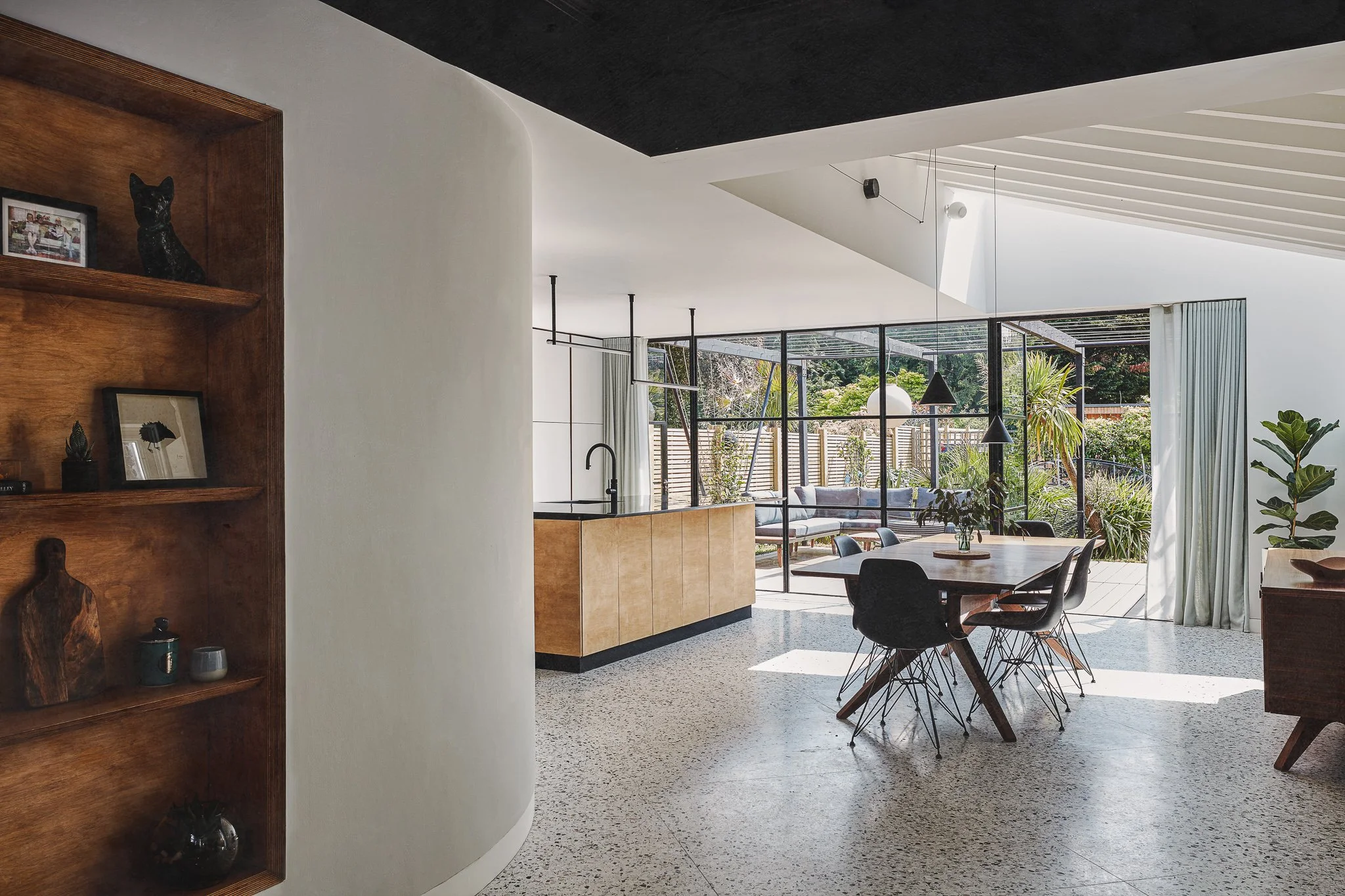
A well-designed extension creates value through improved layout, light and connection to the garden.
Why There Is No Standard Cost for a House Extension in London
The idea that there is a standard price for a rear extension is one of the biggest misconceptions in residential architecture.
Most of the houses we work on are Victorian, Edwardian or Georgian properties that have evolved over decades, sometimes centuries, and no two are ever truly alike. Previous alterations, ageing services, structural issues, damp, drainage constraints and differing construction methods all affect what is possible and what will be required during construction.
The site itself also plays a significant role. A flat garden will have different requirements to a sloping one, large trees may influence foundation design, existing drains may need to be diverted, neighbouring properties, rights to light and planning constraints can all introduce complexity.
The design itself then becomes another variable. A simple extension with straightforward construction will naturally cost less than a highly detailed scheme incorporating large rooflights, bespoke glazing and complex structural interventions.
By the time materials and interior finishes are considered, the potential range in cost becomes significant.
For this reason, there is rarely a meaningful answer to the question, "How much does an extension cost?" without first understanding the house, the site and the client's ambitions.
Many homeowners focus on the cost of building the extension, when the real investment is creating the home they actually want to live in.
The Biggest Budget Misconception: Construction Is Only Part of the Cost
Many homeowners focus almost entirely on construction costs. While construction is a significant part of the budget, it is rarely the whole picture. In reality, a well-considered extension project often comprises three broad categories:
Construction
Fit-out and finishes
Professional fees, statutory costs and VAT
Clients are sometimes surprised to discover that the shell of the extension may represent only a portion of the total investment. A builder's estimate might include allowances for kitchens, bathrooms or finishes, but these allowances are often based on provisional sums rather than the actual specification required for the project.
A kitchen allowance of £10,000, for example, may cover cabinetry alone. Appliances, worktops, lighting, flooring and installation costs can substantially increase the final figure.
This is often why projects exceed initial expectations. Homeowners budget for the structure but underestimate the cost of creating the spaces they actually want to live in. Good planning at the outset helps avoid this problem, and many homeowners budget for only a third of the project without realising it.
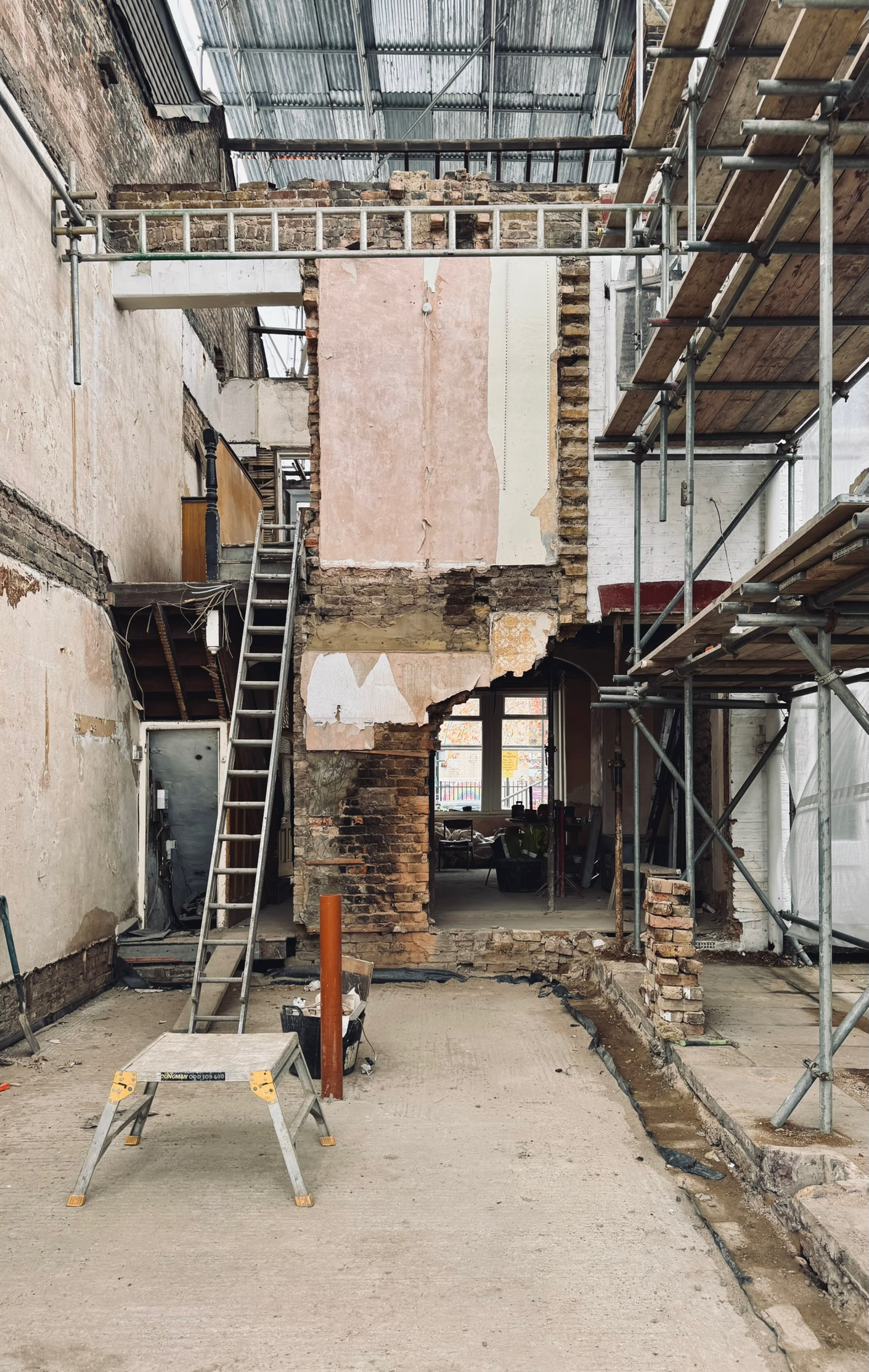
Existing conditions and structural interventions can have a significant impact on project costs.
Why Two Extensions of Similar Size Can Have Very Different Costs
The size of an extension is only one factor influencing budget. Two houses with identical floor areas may require completely different levels of intervention.
One property may need extensive structural alterations. Another may require drainage diversions or remedial works to historic fabric. One house may have modern services already in place, while another may require complete replacement of plumbing and electrical systems.
Even neighbouring houses can differ significantly due to alterations made over time.
This is why cost comparisons between friends, neighbours or online case studies can often be misleading. A similar-sized extension does not necessarily mean a similar project.
What Actually Creates Value in an Extension Project?
When clients invest significant sums into their homes, the question becomes less about cost and more about value. For us, the greatest value is not necessarily measured in additional square metres, but comes from creating spaces that genuinely improve daily life.
Layout Before Floor Area
One of the most common assumptions is that a larger extension automatically creates a better home. In practice, many houses already contain underused or poorly organised spaces. Through careful reconfiguration, circulation can often be improved, rooms can become more useful and natural light can be distributed more effectively without dramatically increasing the building's footprint.
This is something we explored further in our journal article on The Architect's Guide to Renovating a Victorian House in London.
Light and Atmosphere
Natural light remains one of the most important qualities in any residential project. A well-positioned rooflight, carefully framed view or improved relationship with the garden can have a far greater impact than simply adding more floor area.
For a deeper discussion, see our article Designing Light in Period Homes.
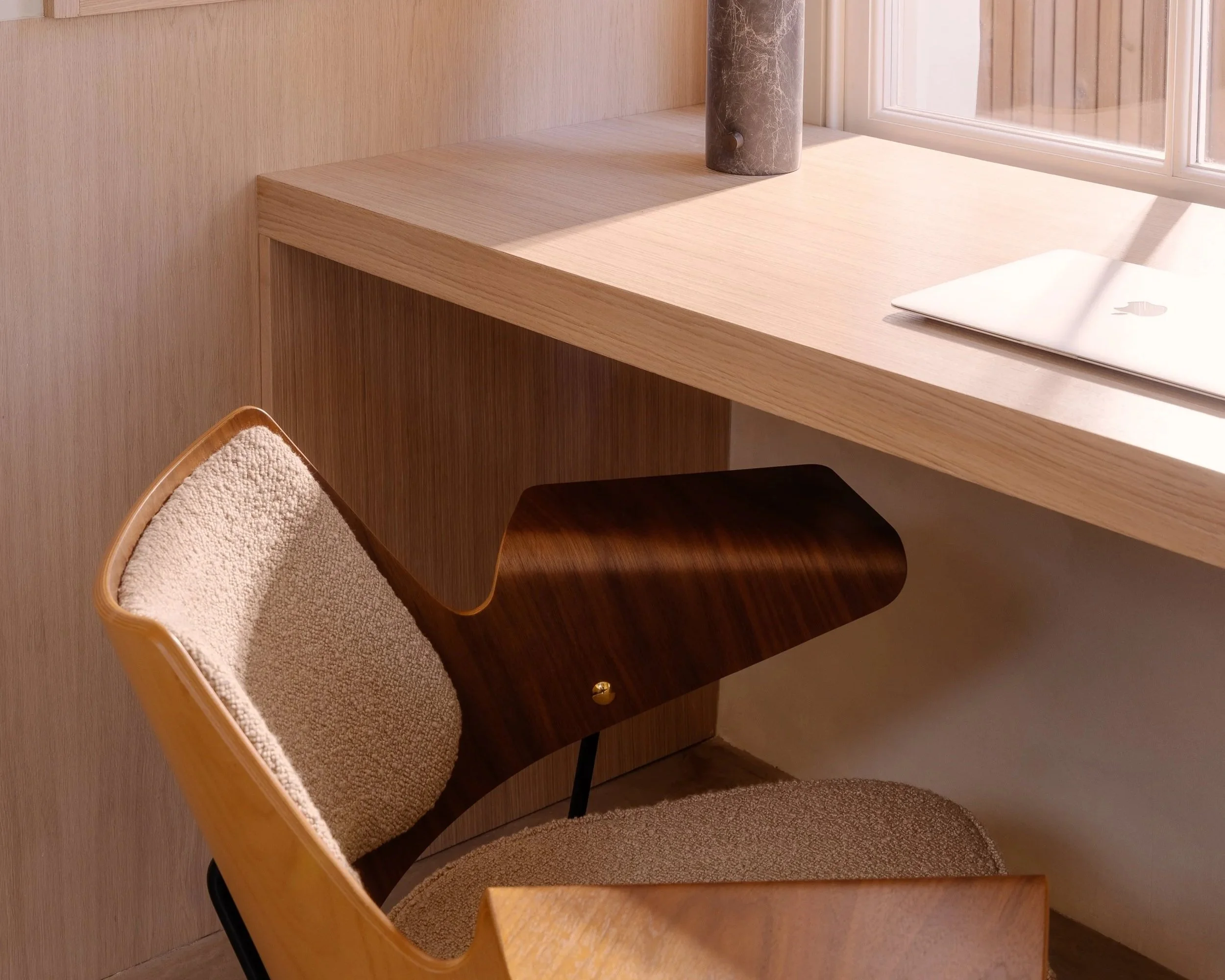
Careful consideration of daylight can have a greater impact on daily life.
Materials and Longevity
Materials influence not only appearance but also durability. Natural materials such as timber, stone, brick and lime-based finishes tend to age gracefully and can often be repaired rather than replaced. Over the lifespan of a building, this can provide significantly better value than cheaper alternatives that require frequent renewal.
Where Money Is Often Better Spent
There is often a temptation to maximise floor area at all costs. However, additional space does not always create additional value. In many projects, investment is better directed towards:
Better natural light
Higher quality glazing
Thoughtful joinery
Durable materials
Improved energy performance
Better kitchen design
Enhanced spatial organisation
These are the elements people interact with every day. They influence how a house feels to live in long after the excitement of construction has passed.
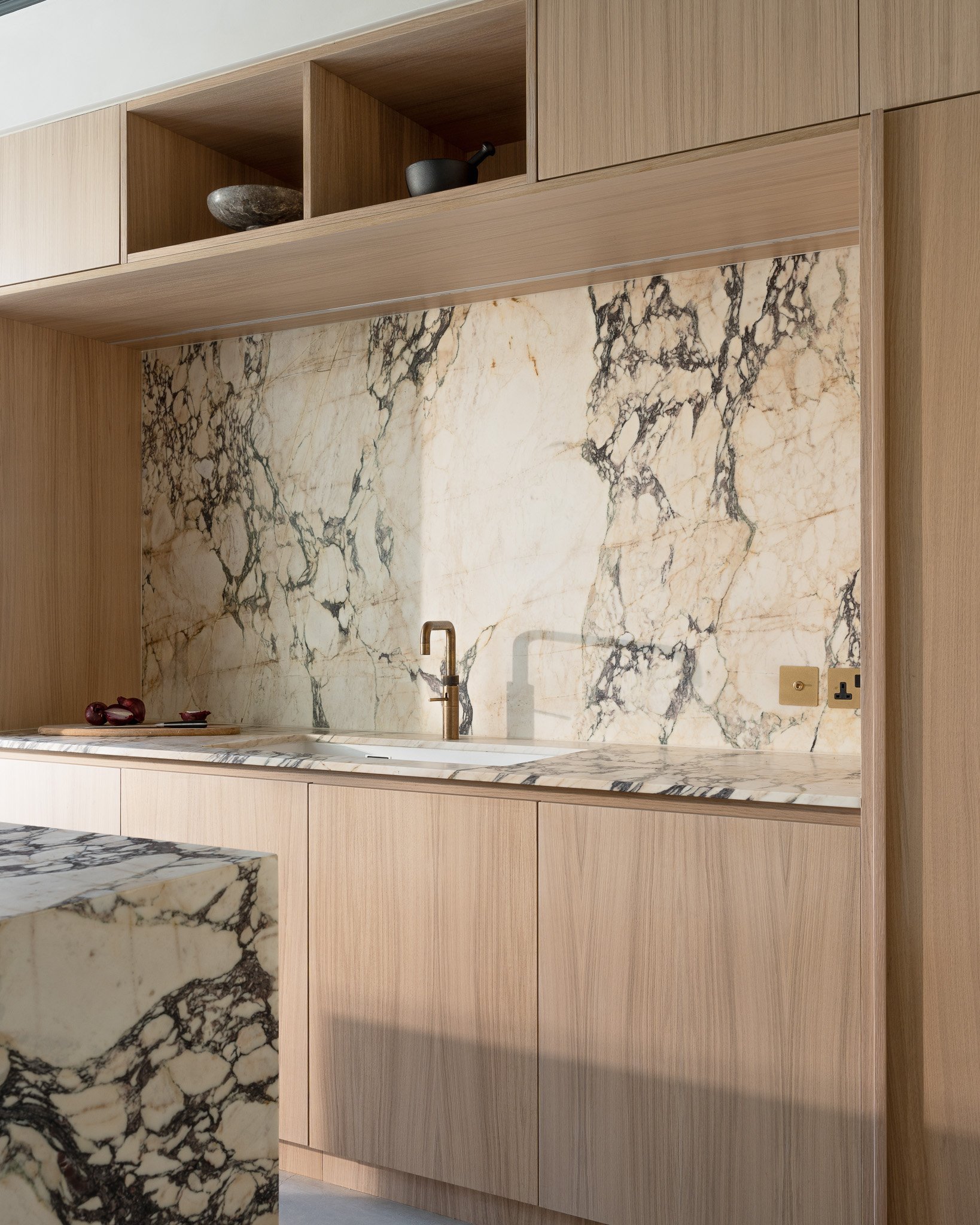
Durable materials and thoughtful detailing often provide better long-term value than simply increasing floor area.
Can Good Design Help You Spend Your Budget More Effectively?
Absolutely. One of the most valuable roles an architect can play is helping clients understand where their budget will have the greatest impact.
Many homeowners approach us believing they need a substantial extension. Once we analyse how the existing house functions, it often becomes clear that much of the problem lies within the current layout rather than the amount of space available.
In some cases, careful reconfiguration creates a significantly better outcome than a larger extension. This approach often improves functionality, reduces unnecessary expenditure and results in a more coherent home overall.
Good design is not about spending more money, it’s about directing investment towards the things that matter most.
Typical House Extension Budgets in London
The figures below reflect the type of projects we typically undertake at Rees Architects and should be viewed as broad guidance rather than fixed costs. Every house, site and brief is different, and costs can vary significantly depending on the extent of refurbishment, level of specification and complexity of the works. Unless otherwise stated, the figures below include construction and fit-out but exclude VAT and professional fees.
£250,000 – £350,000+
Typically includes:
Rear extension or side-return extension
Ground floor refurbishment
New bespoke kitchen
New lighting scheme
Internal alterations
Patio and garden connection works
Good quality finishes throughout
For many Victorian houses in London, this represents a realistic budget for a well-designed ground-floor transformation.
£500,000 – £900,000+
Typically includes:
Single-storey extension
Whole-house refurbishment
Loft conversion
Significant reconfiguration
New services throughout
Bespoke joinery
Improved energy performance
Higher specification finishes
Projects at this level often involve transforming the entire way a house functions rather than focusing on a single extension.
£1m+
Typically includes:
Single-storey extension
Extensive remodelling
Basement construction
Deep retrofit measures
Air conditioning
Smart home systems
Bespoke interiors
Significant structural intervention
These projects are usually whole-house transformations where architecture, interiors and technical upgrades are considered as a single design exercise.
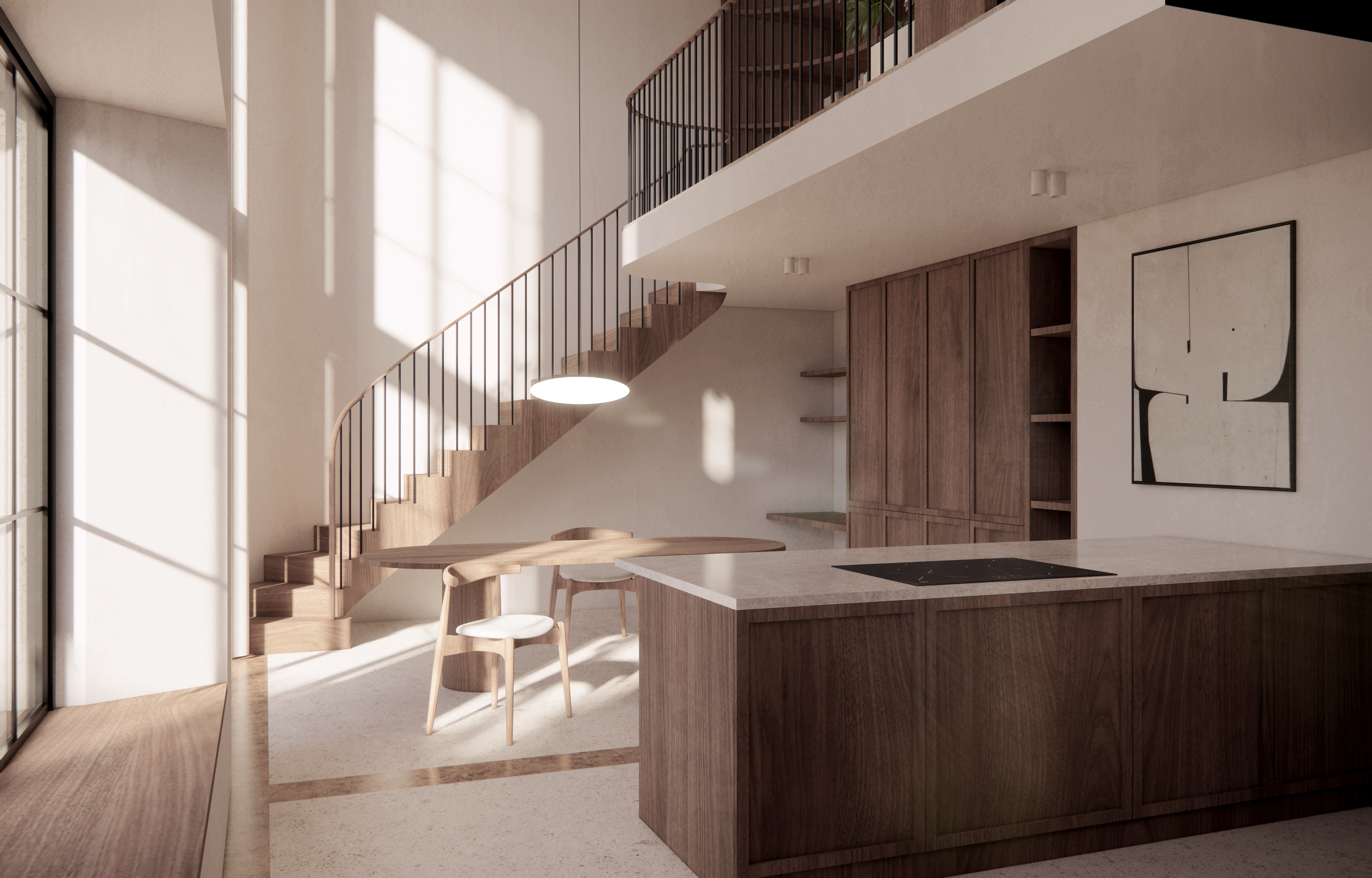
A well-designed extension is not simply an investment in additional space, but in the quality of the environment it creates.
Cost Versus Long-Term Value
When considering a house extension cost in London, it is worth thinking beyond the immediate construction budget. A robust, well-designed project may cost more initially, but can often provide better value over decades.
Durable materials require less maintenance.
Thoughtful layouts remain useful as families change.
Timeless design avoids the need for costly alterations driven by changing trends.
In many cases, the most expensive decision is not spending too much at the outset, it’s spending money twice. Investing carefully in the right things from the beginning often proves to be the more economical approach over the life of the building.
How to Set a Realistic Budget Before You Begin
The best starting point is not Pinterest or construction forums. It is an honest conversation about what you want your home to achieve.
We typically begin by assessing:
The size of the proposed extension
The extent of refurbishment works
The condition of the existing building
The desired level of specification
The overall project ambitions
From there, we can establish realistic budget parameters and engage a Quantity Surveyor to provide independent cost advice. This allows design decisions to be informed by accurate cost information from the outset rather than relying on assumptions.
Final Thoughts
The cost of a house extension in London depends on far more than the size of the extension itself. Existing conditions, design ambition, specification, structural complexity and refurbishment requirements all play a significant role.
The most successful projects are rarely those that maximise floor area or minimise budget. They are the projects where investment is directed carefully towards improving how the house functions, feels and performs over time.
If you are considering a house extension or refurbishment in London, speaking with an architect early in the process can help establish realistic budgets, identify opportunities within your existing home and ensure your investment creates lasting value.
If you are considering a house refurbishment in London, whether a period renovation, townhouse reconfiguration or listed building project, contact Rees Architects to discuss your plans.